A car provides the feeling of freedom that few other possessions compare to. You are able to travel wherever you want, whenever you want, without relying on timetables or routes that are set by other people. However, this liberty comes with a major responsibility that many drivers ignore until they see a warning light flash on their dashboard. This responsibility is the continuous maintenance and care of the vehicle itself. At its heart, maintenance of vehicles is the process of regularly examining, servicing and repairing a vehicle to ensure that it functions safely, efficiently, effectively, and reliably throughout the time it is possible. It is not just about repairing things that are broken, but preventing them from breaking in the first place. Keeping problems at bay like this goes a long way to saving money, raising security, and preserving your investment for the time that is still to come.
Many people understand the basics of filling up the tank with gas or cleaning the exterior; however, true maintenance goes deeper into the electrical and mechanical systems that drive the vehicle. It involves a set of scheduled tasks suggested by the maker to ensure that the engine and transmission, brakes and other crucial components are in good working order. In the event of neglecting these tasks, it can lead to an ensuing decline in performance, a decrease in the efficiency of fuel and eventually catastrophic failures that leave you at the end of the road. Understanding the importance of maintaining your vehicle is the very first step to becoming a responsible, knowledgeable driver who can drive the road with ease.
The Core Philosophy of Preventive Care
The principle behind maintaining your vehicle is based on prevention, not reaction. Reactive maintenance is when you are waiting for a component to fail before you address it, and it is usually more expensive and difficult to manage. Preventive maintenance, on the contrary, is a plan designed to replace worn and damaged parts before they reach the end of their useful lifespan. This is similar to going to the doctor for an annual check-up instead of waiting for a medical emergency to occur. If you pinpoint the minor problems early, you will be able to stop them from turning into heavy mechanical problems, which will involve heavy repair.
Handling fluids is one of the most important parts of this plan. Your car needs different fluids to cool, lubricate and wash the inside of the parts. It is the mainstay of your engine that reduces friction between parts, moving and transferring heat. As time passes, oil degrades and becomes contaminated by dust and other debris, decreasing its effectiveness. A Regular oil change is the most widely-known maintenance tasks but it is the most important for the longevity of your engine. In the same way, brake fluid, transmission fluid, as well as coolant and power steering fluid play important functions in the smooth running of your vehicle. Monitoring and changing these fluids in accordance with the schedule set by the manufacturer ensures the complex systems they support remain in operation without interruption.
Filters are a second important component of preventive maintenance that can go unnoticed until they create problems. Air filters are utilized by your vehicle to keep dust and other debris from getting into the cabin and engine. When the air filter in your engine is blocked, it blocks airflow, causing the engine to work more hard and consume more fuel. A blocked cabin air filter could reduce the effectiveness of your heating and air conditioning systems while allowing allergens and dust to circulate within the vehicle. The replacement of these filters is a straightforward and inexpensive job that will yield substantial advantages in terms of comfort and performance. This attention to detail is what differentiates a vehicle that barely makes it through from one that is thriving over hundreds of thousands of miles.
The Importance of Professional Vehicle Maintenance Services
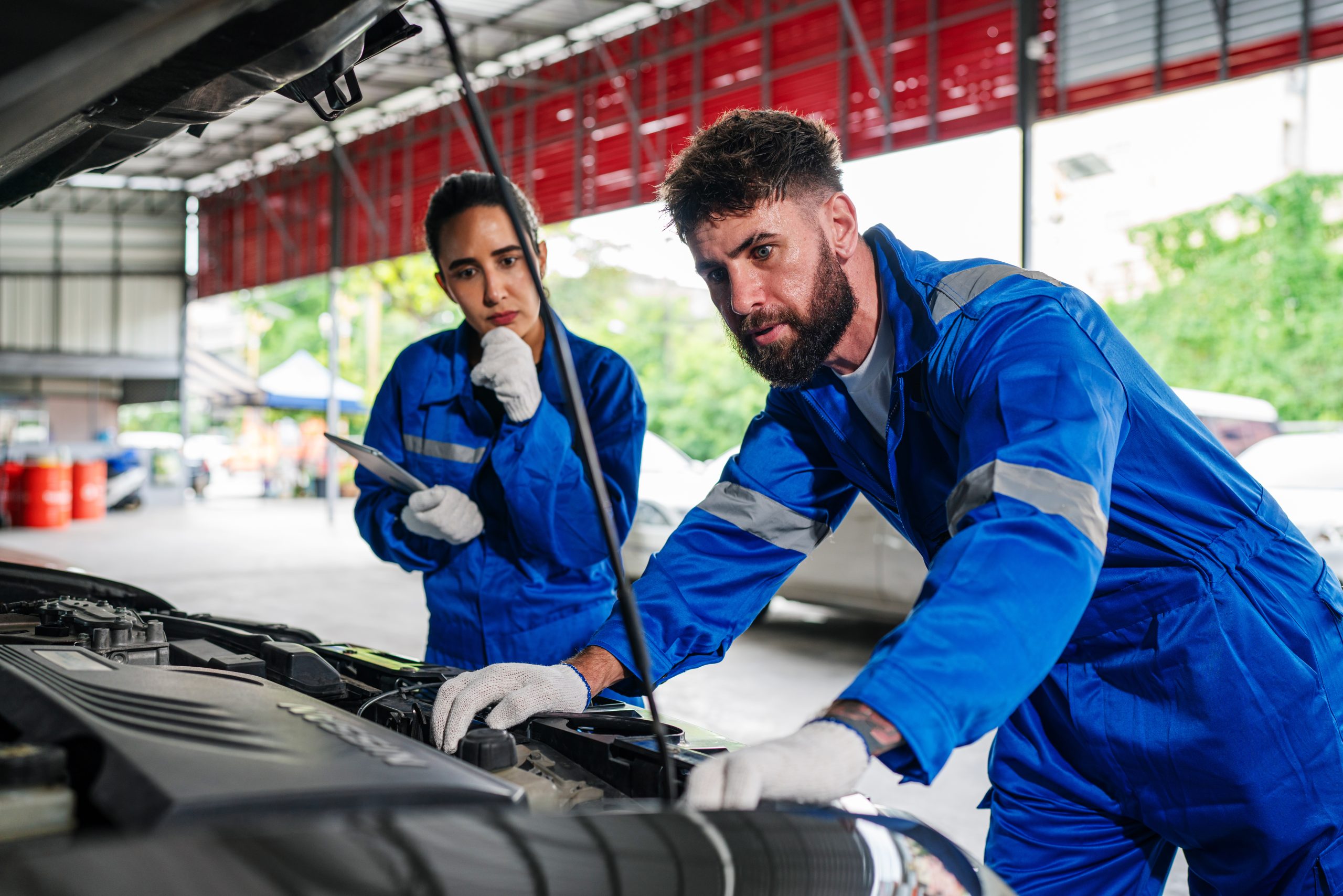
Some car owners are enthralled by working on their vehicles on weekends. The complexity of modern vehicles often requires the help of an expert. This is why expert Vehicle Maintenance Services become indispensable. Essentially, the modern car is an electronically controlled mechanical device with numerous sophisticated sensors, several electronic control units, and a complex wiring network that requires special diagnostic instruments for proper servicing. A knowledgeable technician by training and by possession of the right tools can locate the problem even if it is not apparent. Technicians have the capability to interact with the vehicle’s onboard computer system to locate errors and spot faults at a level that they are almost certain, whereas other methods cannot even come close to that.
By availing the services of reliable vehicle maintenance specialists, you can rest assured that the job will be done in a proper and safe manner. The services are a complete spectrum of the customer’s needs, from simple regular tire wheel alignments and rotations to quite complicated timing belt replacements and brake system maintenance. If you bring your car to a certified service center that is certified, then you will be the one benefiting from the knowledge of the mechanics who are very familiar with the specific requirements of your vehicle’s make and model. They follow the guidelines of the manufacturer in a strict way and will ensure the correct components and fluids are used. It is vital because using the wrong type of oil or non-compatibility part could invalidate the warranty and result in permanent damage to the engine.
Additionally, regular visits to a service provider of Vehicle Maintenance Services create a documented record of the care and maintenance for your vehicle. This service history will be extremely useful when it comes time to exchange or sell your vehicle. Buyers are willing to pay more for a used car that comes with a pile of receipts that show that it was well-maintained. It shows that the previous owner has taken their responsibilities seriously, and the vehicle will not be a victim of hidden mechanical issues. This way, investing in professional maintenance is an investment that will pay dividends in the form of maintaining the value of the vehicle’s resale.
Safety Systems and the Necessity of Inspections
Security is the main reason to put the importance of maintaining your vehicle at the forefront. Every time you drive, you are entrusting your life as well as the lives of passengers to the mechanical stability of your vehicle. The brake system is the most crucial security feature that requires constant inspection to ensure its effectiveness. Brake pads get worn down with each stop. Rotors may become warped because of friction and heat. If the brake components are allowed to wear down too much, the stopping distances will get longer, and the threat of brake failure is a frightening possibility. Regular inspections enable technicians to gauge the thickness of the pad and identify problems with the hydraulic lines, which will ensure that your vehicle stops when it needs to.
Tires are the sole connection between your car and the road, which makes their condition crucial for safe handling. Tires that are worn out and have little tread struggle to grip the pavement, especially in icy or wet conditions, which can lead to flooding and losing control. Regular care for tires means checking the air pressure, turning the tires to make sure they wear evenly, and measuring the tread depth. A tire that is underinflated can overheat and burst explosively at high speed, while an overinflated tire can make the traction weaker. An expert mechanic will also look at the wheel alignment because a wheel that is not aligned properly may make the car drift to one side, which can cause the tires to wear faster. Keeping your tires in perfect shape is one of the necessary parts of being a good owner of your vehicle.
Beyond the brakes and tires the suspension as well as the steering system play a crucial role in ensuring security. The suspension system absorbs road shocks and keeps the ride smooth and tires in contact with the ground. Struts or shock absorbers that are worn out can cause the car to be unstable when cornering or stopping. The steering system has to be precise and responsive, allowing you to move around obstacles swiftly. Any movement or looseness within the steering wheel is an issue that requires immediate attention. Regular inspections can identify these issues in the early stages and prevent a small movement from becoming an outright inability to control.
The Economic Impact of Regular Upkeep
Many drivers see the cost of maintenance as an expense, frequently delaying essential services for the sake of saving money in the short-term. However, this perspective is incorrect because, in most cases, disregarding maintenance turns out to be more expensive in the distant future. A well-maintained engine is more efficient, thus it takes less fuel to produce the same power. Small things like a dirty spark plug or a faulty oxygen sensor can lead to a decrease in fuel efficiency, and as a result, you will spend more money on fuel during the course of a year. So, through good engine maintenance and high-level operation, you are able to make the most of every gallon of gas and lower your monthly expenses.
Major repairs caused by neglect are far more expensive than investing in routine maintenance. For example, replacing a timing belt is a standard maintenance procedure that costs a few hundred dollars. If you ignore this service and the belt snaps while the engine is running, it can cause catastrophic damage to the pistons and valves, necessitating a complete engine replacement that costs thousands of dollars. Similarly, failing to change the transmission fluid can lead to transmission failure, another incredibly expensive repair. Viewing maintenance as insurance against financial disaster helps shift the mindset from seeing it as a cost to seeing it as a saving strategy.
Furthermore, the life span of the car itself is directly linked to the way it is maintained. The average car in the market today is more than twelve years old, a testimony to the advancements in engineering and the advantages of having better maintenance practices. If you can keep your vehicle running smoothly for 15 years rather than ten years, you’ll save the enormous cost of buying a new car for the next five years. The time between driving and not having the expense of a car loan lets you allocate money towards other financial objectives. Therefore, regular visits to Vehicle Maintenance Services should be considered a financial strategy that extends the use of your vehicle and reduces the expense of replacing it.
Environmental Responsibility and Emissions
The maintenance of vehicles also has an important environmental impact. A car that is poorly maintained discharges more toxic pollutants into the air than one operating smoothly. The exhaust system, as well as the catalytic converters, are designed to remove harmful gases from the engine’s emissions prior to they are released into the tailpipe. If your engine is burning oil because of worn rings or is running too hot because of a defective sensor, it could cause the catalytic converter to overheat and result in an increase in carbon monoxide emissions and nitrogen oxides, as well as hydrocarbons. These pollutants cause respiratory issues, smog and climate change.
A lot of regions require emissions tests that are mandatory in order to make sure that cars comply with the environmental standards. A vehicle that has been neglected is likely to fail these tests and will require repairs before it is legally driven. Maintaining your vehicle regularly will ensure that your car is running as efficiently as it can while reducing its carbon footprint. Simple things like keeping your tires properly inflated also aid the environment by increasing the efficiency of your vehicle, which in turn reduces the quantity of fossil fuels used. As people become more aware of the impact on the environment and the impact of vehicles on the environment, responsible car ownership is taking steps to help ensure that the air is clear.
Fluid leaks are a different environmental hazard that comes with inadequate maintenance. Coolant, oil and transmission fluids that leak out of a car eventually get swept into storm drains and pollute local waterways. Replacing leaks immediately can prevent these harmful chemicals from causing harm to wildlife and polluting water sources. Clean driveways are not just about aesthetics. It is a signal that your car is properly sealed and not leaking dangerous fluids into the environment. By ensuring that the seals and gaskets on your vehicle and gaskets, you help create the health of your family and friends.
Navigating the Owner’s Manual and Schedules
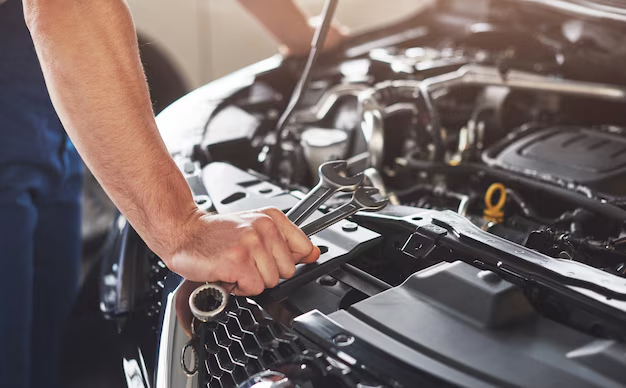
An owner’s manual is by far the most reliable source of information regarding the needs of your car. This manual, which is typically stored away in the glove compartment, contains the recommended maintenance schedule. It specifically details the services required at certain mileage intervals, thus giving a clearer picture of the whole process. It specifies the right oil quality, the type of coolant, and the correct tire pressure. Being familiar with this manual will let you have more knowledgeable talks with your service provider and give you the guarantee that you are not overpaying for unnecessary services while essential ones are being overlooked.
Most of the time, modern cars come with a maintenance reminder system installed on the dashboard that indicates the time for service. These systems keep track of mileage and engine operating conditions to determine oil life and other service intervals. Though handy, such reminders should not be considered a substitute for the instruction manual. Certain items, such as coolant flushes or brake fluid, could be determined by time instead of mileage, and may not trigger a dashboard indicator. A proactive owner utilizes the manual to create a guideline and a plan for future maintenance and budgeting in line with.
Understanding the distinction between “normal” and “severe” driving conditions is crucial when looking over the schedule. Many drivers do not realize they belong to the “severe” category, which includes frequent short trips, stop-and-go driving and driving in extreme cold or heat or towing large loads. These types of conditions place more strain on your vehicle and demand regular maintenance, which is more than driving on the highway in moderate conditions. Consulting with a professional about your particular driving habits will aid in tailoring the manufacturer’s schedule to ensure your vehicle is protected.
Maintenance of your vehicle is a broad discipline that covers safety, economics, environmental responsibility and reliability. It is your responsibility to treat your car not just as an instrument, but as a sophisticated machine that requires attention to operate properly. From checking the pressure of your tires to scheduling major service appointments, every step you take will improve the longevity and functionality of your vehicle. Using a professionals Vehicle Maintenance Services ensures that this service is performed with precision and skill, protecting your investment and your security. By adopting a stance of regular maintenance, you will ensure that your vehicle is an opportunity for peace and comfort, not a source of stress and financial strain. The road ahead can be unpredictable, and a well-maintained car will be ready for whatever is in the next bend.
FAQ’s
What is the difference between preventive and reactive maintenance?
Preventive maintenance is proactive; it involves scheduled tasks like oil changes and filter replacements to stop problems before they start. Reactive maintenance happens after a part has already failed, which is often more expensive and can leave you stranded. Think of preventive care as a regular checkup, while reactive care is like an emergency room visit.
How often should I schedule Vehicle Maintenance Services?
The best schedule for your specific car is outlined in your owner’s manual. Generally, most vehicles require a basic service (like an oil change and tire rotation) every 5,000 to 7,500 miles. However, driving conditions—such as frequent stop-and-go traffic or extreme weather—might require more frequent visits.
Can I skip maintenance if my car seems to be running fine?
It is not recommended. Many issues, such as dirty fluids or worn belts, do not show immediate symptoms until they cause significant damage. Skipping scheduled maintenance can void your warranty, reduce fuel efficiency, and shorten the lifespan of your vehicle.
Why are fluid changes so important for my car?
Fluids like engine oil, transmission fluid, and coolant are essential for lubricating, cooling, and cleaning internal components. Over time, these fluids break down and become contaminated. Changing them regularly prevents friction, overheating, and corrosion, which protects major systems from failure.
Do I really need to go to a professional for maintenance?
While you can do simple tasks like checking tire pressure yourself, modern vehicles are complex “computers on wheels.” Professional technicians have the specialized diagnostic tools and training to identify issues invisible to the untrained eye. They also ensure the correct parts and fluids are used, protecting your warranty.