
Your engine is the single most expensive component in your vehicle to replace, and yet most drivers only think about it once something already sounds wrong. If you’re searching for engine repair services in Naples, FL, chances are you’ve noticed a warning light, a strange noise, or a puff of steam from under the hood on a hot afternoon drive down Pine Ridge Road. This guide walks through exactly what causes engine trouble in Southwest Florida, how a proper diagnostic works, what cooling system problems look like here specifically, and what you can realistically expect to pay to get it fixed right.
Why Naples’ Climate Puts Extra Strain on Your Engine
Naples isn’t Ohio or Colorado. The engine problems that show up here often have a local cause behind them, and understanding that helps you make smarter decisions about repairs.
The humidity and heat that make Naples beautiful for eight months of the year are hard on internal combustion engines. High ambient temperatures mean your cooling system has less margin for error. A radiator that would limp along fine in a cooler climate can push a Naples driver’s engine straight into overheating territory during a July afternoon in traffic near Coastland Center.
Salt air is another factor people underestimate. Even a few miles inland, the coastal air accelerates corrosion on metal components, hoses, and electrical connectors under the hood. Corroded sensors and connectors are one of the most common reasons a check engine light turns on in Collier County, and it’s a problem drivers in landlocked states rarely deal with.
Then there’s the driving pattern itself. Naples has a mix of long straightaway commutes on US-41 and dense stop-and-go traffic during snowbird season from January through April. That constant stop-start cycle is harder on an engine than steady highway driving, since it means more heat cycles, more idling, and more strain on the cooling system in a short window of time.
[Internal linking idea]: “How Florida Heat Affects Your Car’s Battery and Cooling System”
Common Signs You Need Engine Repair in Naples, FL
Most engine problems give you warning before they become catastrophic. Catching these signs early is the difference between a repair bill and a replacement bill.
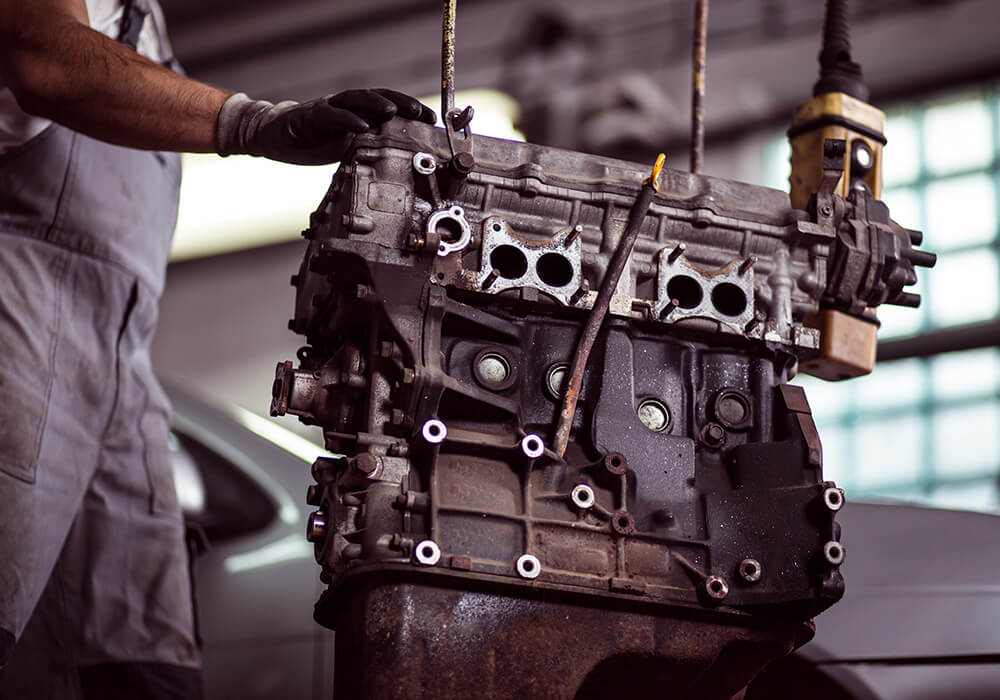
Here are the signals worth paying attention to:
- The check engine light stays on or flashes, especially combined with rough idling
- You notice a ticking, knocking, or tapping sound that changes with engine speed
- The temperature gauge climbs higher than usual, particularly in traffic
- There’s a burning smell, sweet smell, or steam coming from under the hood
- You see oil spots or coolant puddles under the car after it’s been parked
- The car hesitates, jerks, or loses power during acceleration
- Fuel economy has dropped noticeably without a change in your driving habits
- The exhaust is producing more smoke than normal, or a different color of smoke
A flashing check engine light is a more urgent signal than a steady one. It typically points to a misfire that could damage the catalytic converter if you keep driving on it. A steady light still needs attention, but it’s not usually an emergency-tow situation.
The Engine Diagnostics Process: How Naples Mechanics Find the Problem
A lot of drivers assume a diagnostic is just plugging in a scanner and reading a code. That’s actually just the first step, and it’s the part that separates a thorough shop from a rushed one.
Step one: pulling the codes. A technician connects an OBD-II scanner to read stored trouble codes. These codes point to a system or component, not necessarily the exact cause. A code for a lean fuel mixture, for example, could mean a vacuum leak, a failing oxygen sensor, or a fuel delivery issue.
Step two: visual and physical inspection. This is where experience matters most. The technician checks hoses, belts, wiring, fluid levels, and looks for obvious signs of wear, leaks, or corrosion, which, as mentioned earlier, is a bigger factor in Naples than in most parts of the country.
Step three: testing the suspected component. Depending on the code, this might mean a compression test, a fuel pressure test, a smoke test for vacuum leaks, or checking sensor readings live with the engine running.
Step four: road testing. Many engine issues, especially noises and hesitation, only show up under specific conditions like acceleration, cornering, or after the engine reaches full operating temperature. A short road test after repairs confirms the fix actually solved the problem instead of just clearing a code.
Engine diagnostics in Naples typically take somewhere between 45 minutes and two hours depending on complexity, and a reputable shop should be able to explain the code, the suspected cause, and the recommended fix in plain language before any repair work begins.
Cooling System Repair in Naples: Why It Matters So Much Here
If there’s one repair category that Naples drivers deal with more than almost anywhere else in the country, its cooling system failure. Between the heat, the humidity, and the stop-and-go traffic patterns, radiators, hoses, and water pumps simply work harder here.
Common cooling system issues in Naples include:
- Radiator leaks from corrosion or cracked seams
- Failing water pumps that no longer circulate coolant properly
- Deteriorated hoses that crack or burst under heat and pressure
- A clogged radiator that can’t dissipate heat efficiently
- A failing thermostat that sticks closed and traps heat in the engine
- Low coolant levels from small, slow leaks that go unnoticed for months
- A blown head gasket, often the end result of driving too long on an overheating engine
Overheating is not something to drive through. Once the temperature gauge climbs into the red, every additional mile increases the risk of warping the cylinder head or blowing the head gasket, which turns a few-hundred-dollar cooling repair into a multi-thousand-dollar engine repair. If your gauge spikes, the safest move is to pull over, let the engine cool for at least 20 minutes, and have it towed rather than trying to nurse it home.
A proper cooling system repair in Naples should include a pressure test of the entire system, not just a coolant top-off. A pressure test reveals slow leaks that wouldn’t show up from a visual check alone, which matters because a small leak today is often the reason for a bigger overheating problem three months from now.
Common Engine Repairs Naples Drivers Need Most
Beyond cooling system work, a few other engine repairs come up regularly for Naples drivers, often tied to age, mileage, or the local driving environment.
Spark plug and ignition coil replacement is one of the most frequent repairs, especially on vehicles between 60,000 and 100,000 miles. Worn spark plugs cause misfires, rough idling, and reduced fuel economy, and the fix is usually straightforward once diagnosed correctly.
Oxygen sensor and mass airflow sensor replacement shows up often in Naples due to the corrosion factor discussed earlier. These sensors sit in the engine bay where salt air exposure is highest, and a failing sensor throws off the air-fuel mixture, hurting both performance and fuel economy.
Timing belt or timing chain issues are less common but far more serious. A timing belt that fails on an interference engine can cause catastrophic internal damage. Following the manufacturer’s recommended replacement interval, usually between 60,000 and 100,000 miles depending on the vehicle, is one of the cheapest forms of insurance against a total engine loss.
Vacuum leaks are common in older vehicles as rubber hoses dry out and crack in Florida’s heat. They cause rough idling, poor fuel economy, and can trigger a check engine light even though the fix itself is often inexpensive.
Oil leaks from valve cover gaskets or oil pan gaskets tend to show up as the vehicle ages, particularly once a car passes the 100,000-mile mark. Left unaddressed, a slow oil leak can eventually lead to low oil levels and serious internal engine wear.
What Engine Repair Costs in Naples, FL
Cost is usually the first question on every driver’s mind, and the honest answer is that it depends heavily on the specific problem. That said, there are realistic ranges for common repairs in the Naples market.
There are general ranges, not quotes, since the actual price depends on your specific make, model, and the extent of the damage. A shop that gives you a firm number before physically inspecting the vehicle is often guessing, while one that starts with a diagnostic and then explains the findings is giving you an accurate picture.
How to Choose the Right Engine Repair Shop in Naples
Not every repair shop is equipped to handle complex engine work, and choosing the right one matters more than choosing the cheapest one. A few things worth checking before you commit:
- ASE certification for the technicians actually doing the work, not just the shop’s marketing
- A written estimate before any repair begins, with parts and labor broken down separately
- A clear explanation of the diagnostic findings in plain language, not just a code number
- A warranty on both parts and labor, ideally 12 months or more
- Familiarity with your specific make and model, since some engines have known quirks
- Online reviews that mention honesty and communication, not just speed
A good shop should never pressure you into an immediate decision on a major repair. If the car is safe to drive short distances, you’re entitled to time to think it over, compare a second opinion, or plan for the cost before committing.

Preventive Maintenance Tips to Avoid Costly Engine Repairs
Most major engine repairs are preventable with consistent maintenance, and Naples’ climate makes this even more true than in milder regions.
- Check coolant levels monthly, especially heading into the summer months
- Replace coolant according to the manufacturer’s interval, typically every 30,000 to 60,000 miles
- Have belts and hoses visually inspected at every oil change, since Florida heat accelerates cracking
- Keep up with oil changes on schedule, since heat also breaks down oil faster
- Address a check engine light within a week or two rather than waiting months
- Have the battery and connections inspected regularly, since salt air corrosion affects electrical components too
- Don’t ignore a slow coolant leak, even if the car isn’t overheating yet
Consistent, boring maintenance is genuinely the cheapest form of engine repair there is. A $40 coolant flush is a lot easier to swallow than a $2,500 head gasket replacement six months later.
Conclusion
Engine trouble in Naples rarely comes out of nowhere. Between the heat, the salt air, and the stop-and-go traffic patterns typical of Southwest Florida, engines here face a slightly different set of pressures than they would in a cooler, drier climate. Paying attention to the early warning signs, understanding what a real diagnostic process looks like, and staying on top of cooling system maintenance are the three things that make the biggest difference in avoiding a major repair bill. If your check engine light is on or your temperature gauge has been creeping up, getting it looked at now is almost always cheaper than waiting.
FAQ’s
How much does engine repair cost in Naples FL?
Costs vary widely by issue. Minor repairs like a thermostat or spark plugs run $150 to $600, while major work like a head gasket can exceed $2,500. A diagnostic first gives you an accurate, vehicle-specific estimate.
Why do engines overheat so often in Naples?
Florida’s heat and humidity reduce your cooling system’s margin for error, and stop-and-go traffic adds extra heat cycles. Combined with salt air corrosion on hoses and connectors, this makes cooling system failure more common here than in cooler climates.
Can I still drive with the check engine light on?
A steady light usually means it’s safe for short trips but should be checked soon. A flashing light signals an active misfire, and driving on it risks damaging the catalytic converter, so it’s best to stop driving and have it towed.
How long does an engine diagnostic take?
Most engine diagnostics in Naples take 45 minutes to two hours, depending on how many systems need to be tested. Complex intermittent issues that only appear under specific driving conditions can take longer to isolate.
What’s the most common engine problem in Southwest Florida?
Cooling system issues, including radiator leaks, failing water pumps, and worn hoses, are the most frequent engine-related repairs in Naples due to the heat, humidity, and coastal salt air affecting components faster than in other regions.
Is it worth repairing an older car’s engine or should I replace the vehicle?
It depends on the repair cost versus the car’s value and condition otherwise. As a rough guide, if a single repair costs more than 50 percent of the car’s current value and the vehicle has other issues, replacement is often the more practical choice.